Inishturk
Co. Mayo

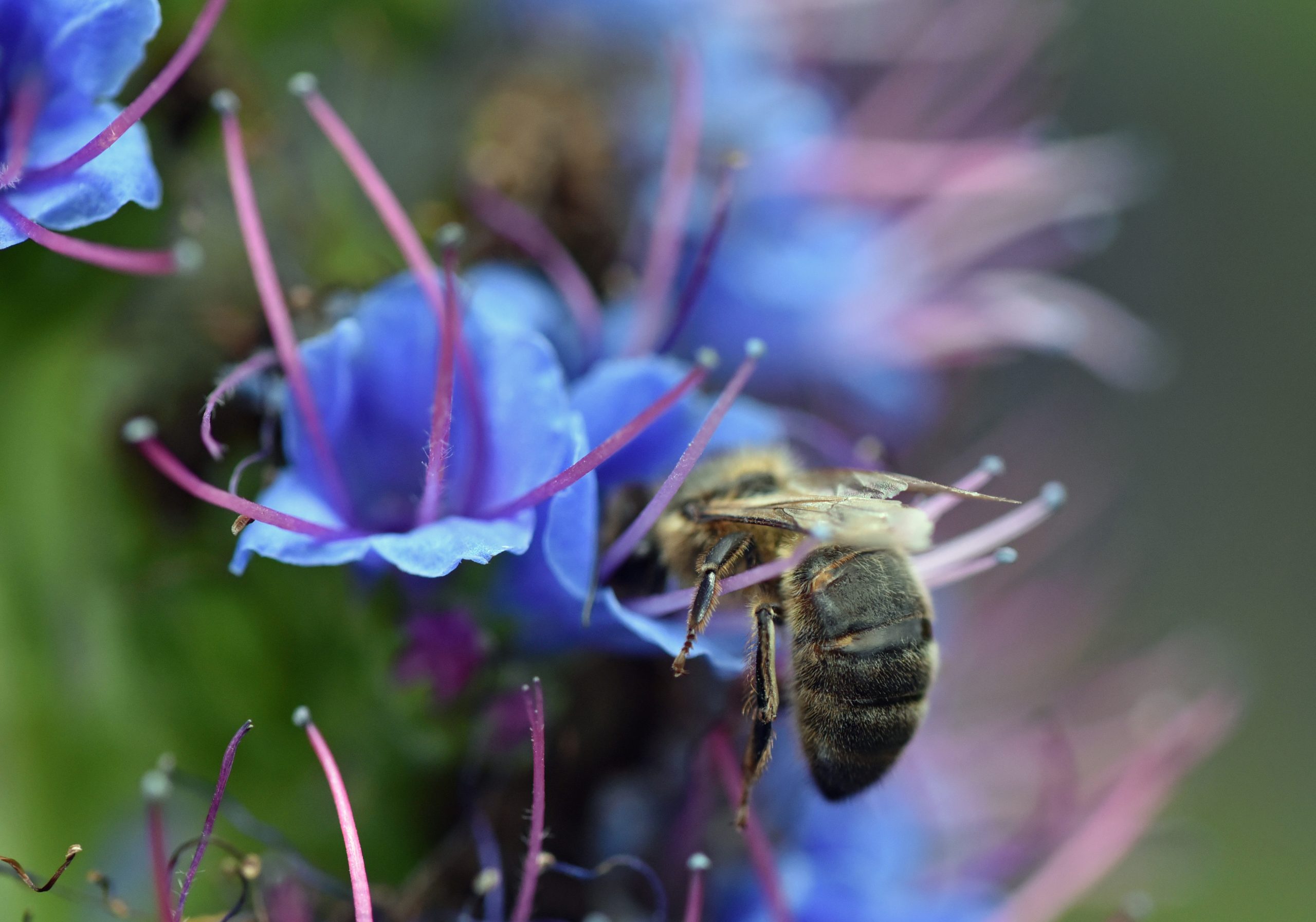
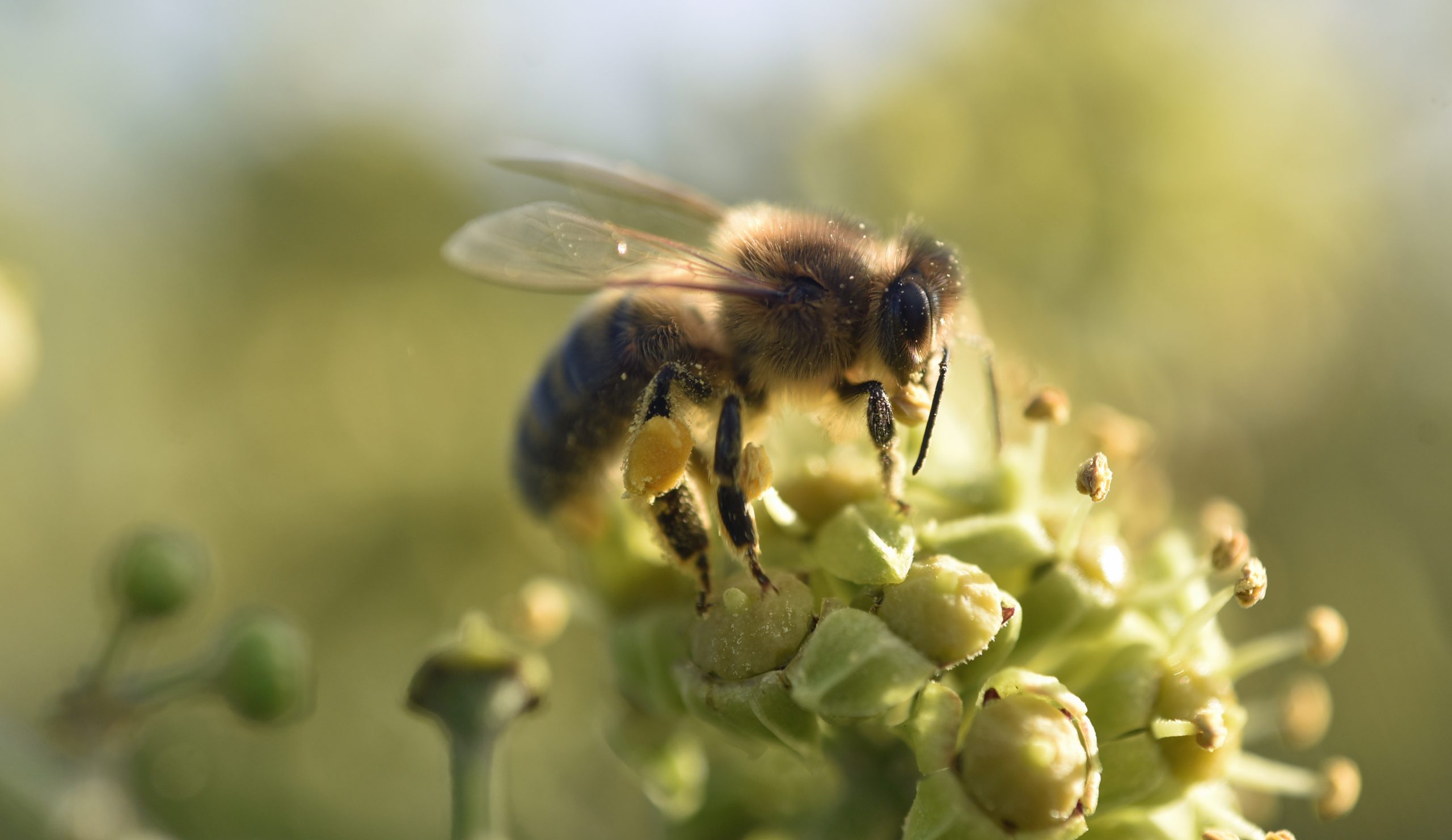
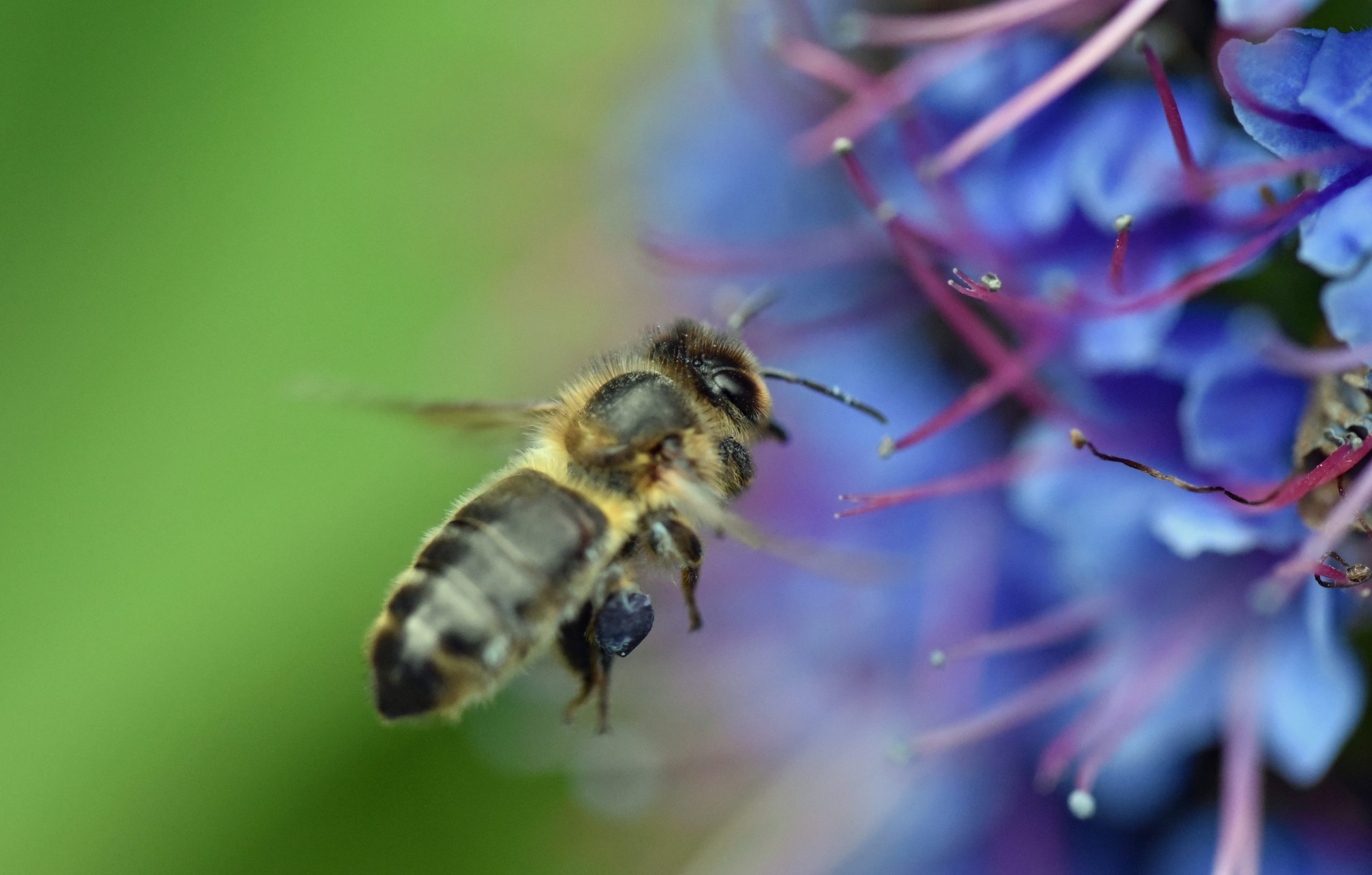
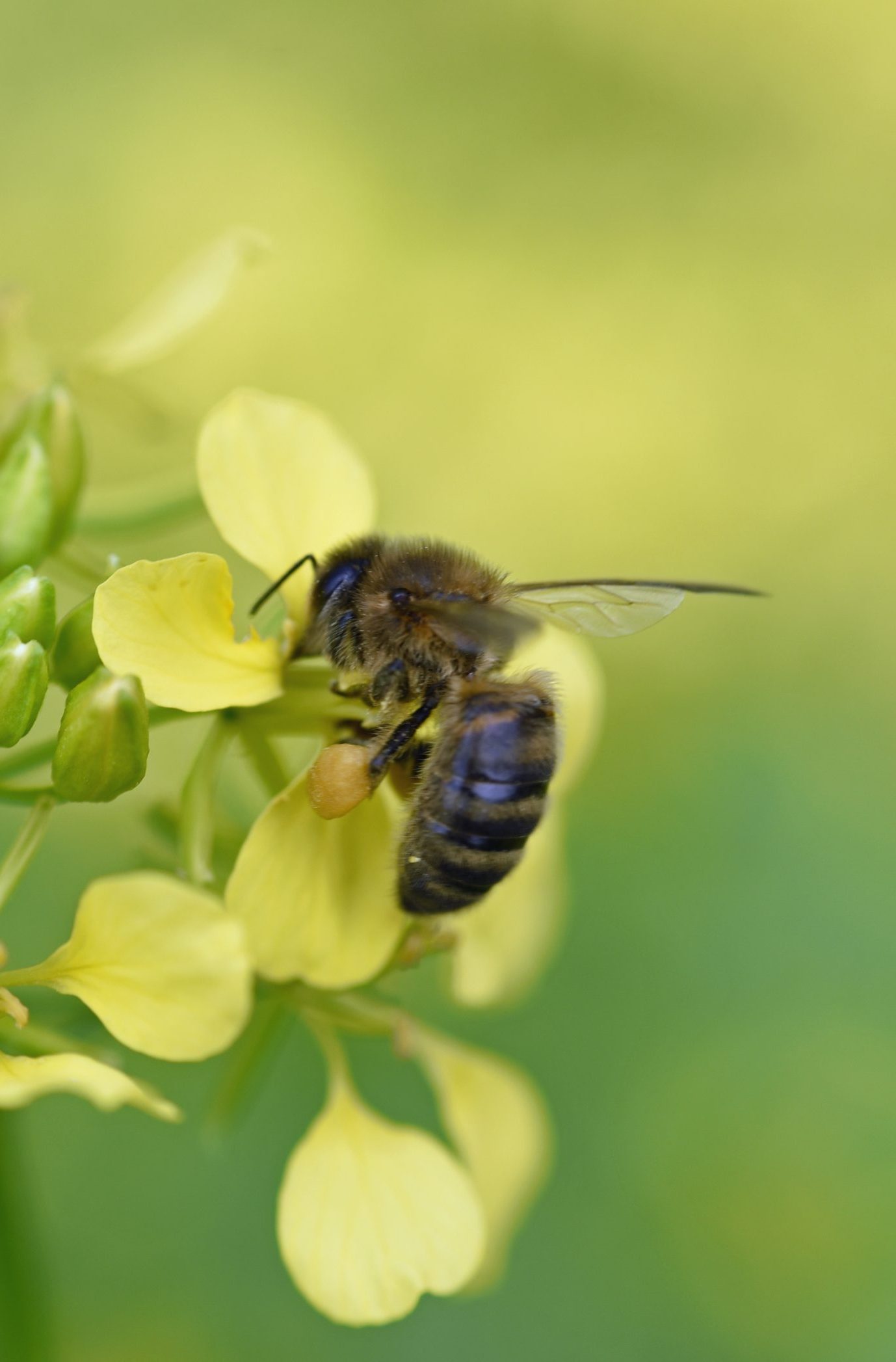
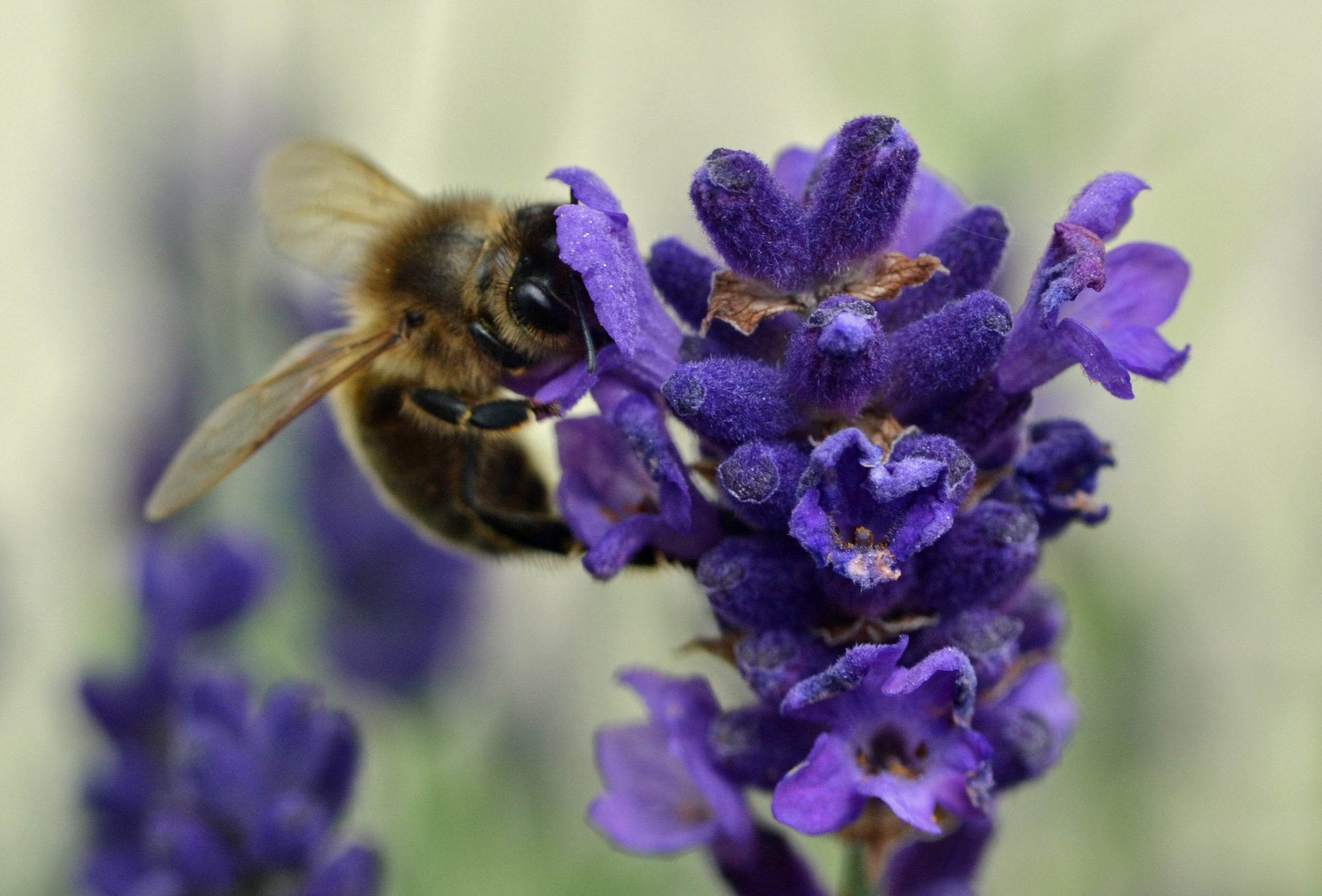
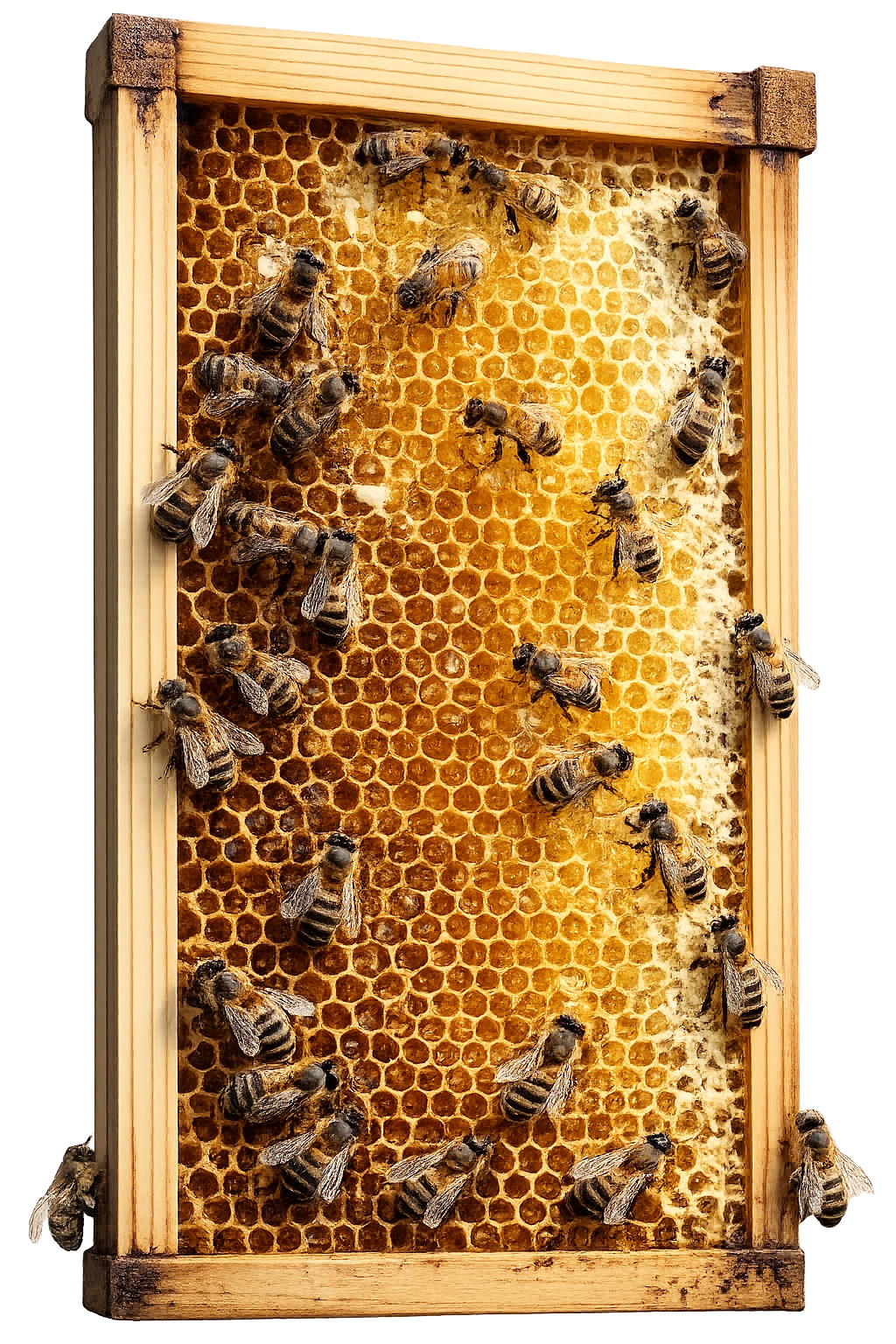
The Native Irish Honey Bee Sanctuary on Inishturk Island is dedicated to protecting Ireland’s original honey bee, Apis mellifera mellifera. These bees first arrived in Ireland thousands of years before humans, shortly after the Ice Age, naturally colonising the island and evolving traits perfectly suited to our cool, wet Atlantic climate.


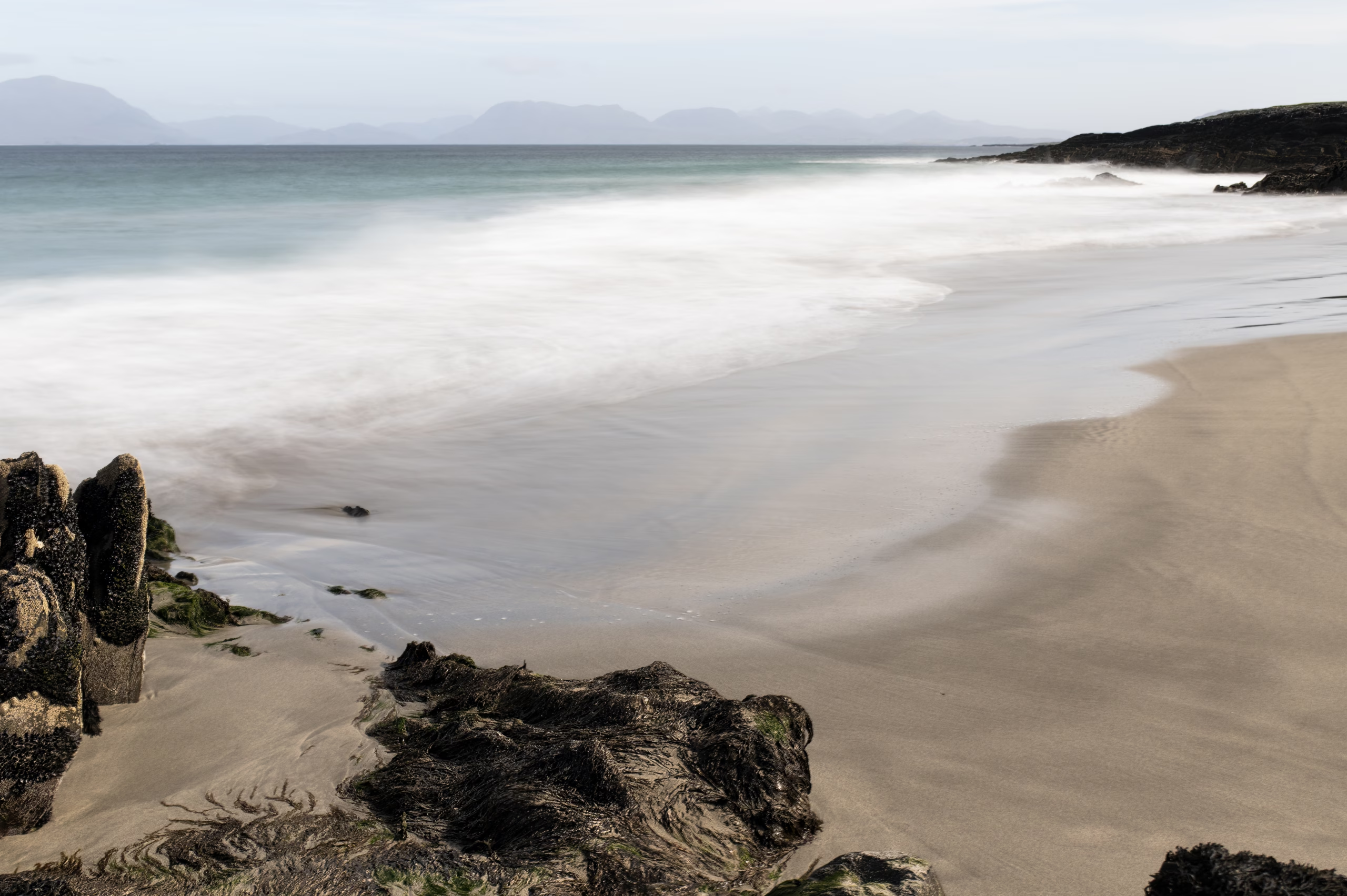
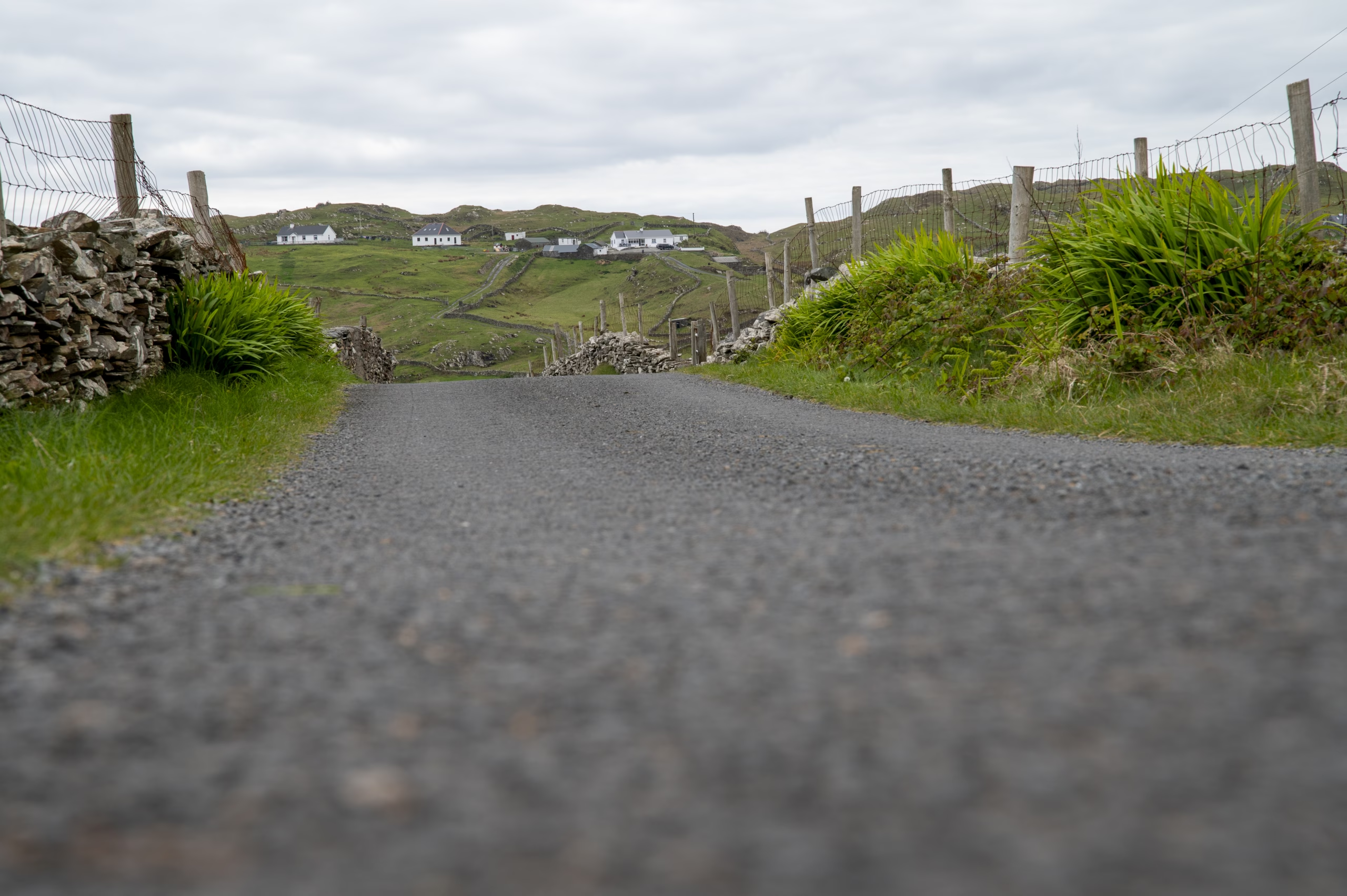
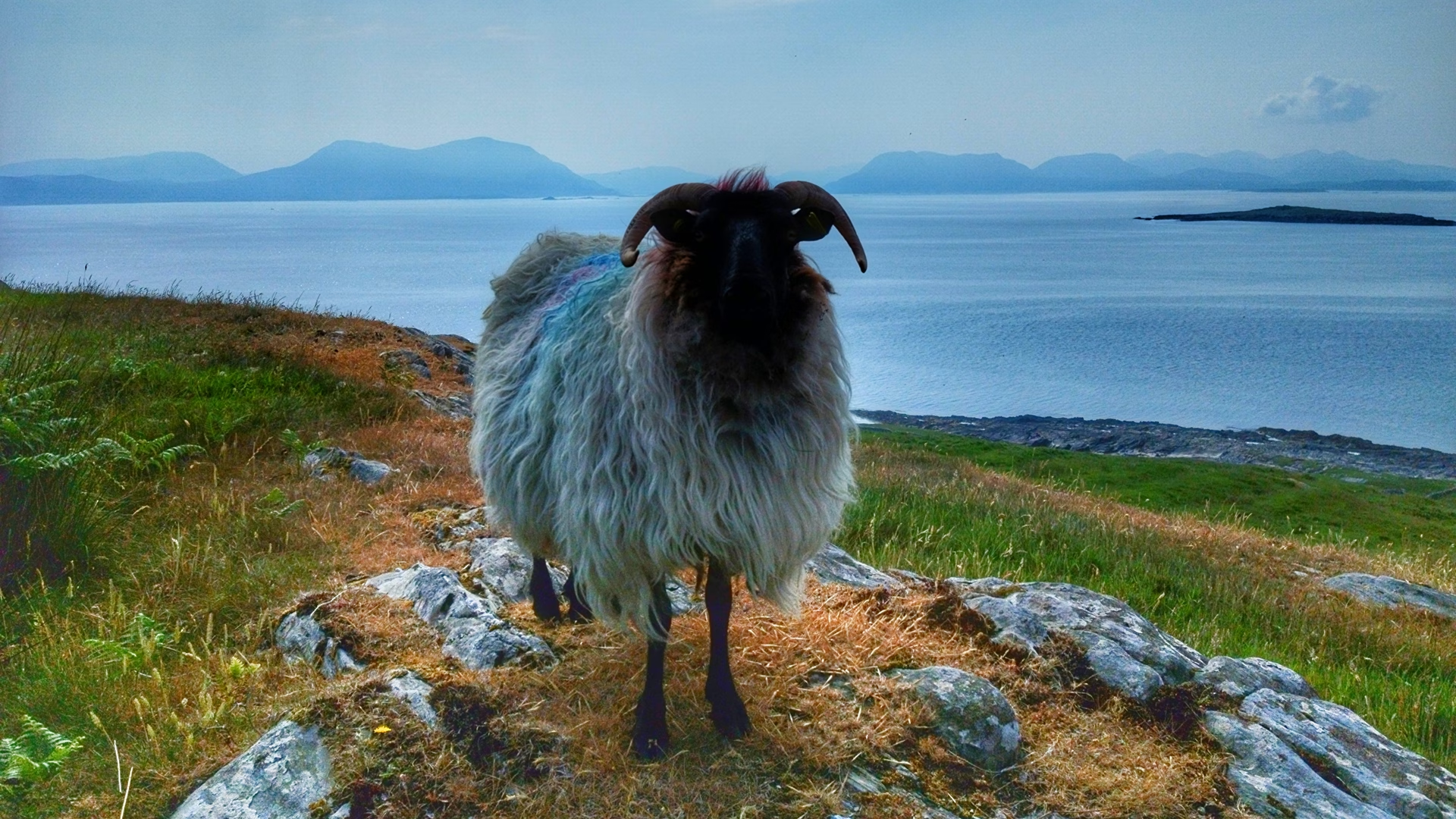
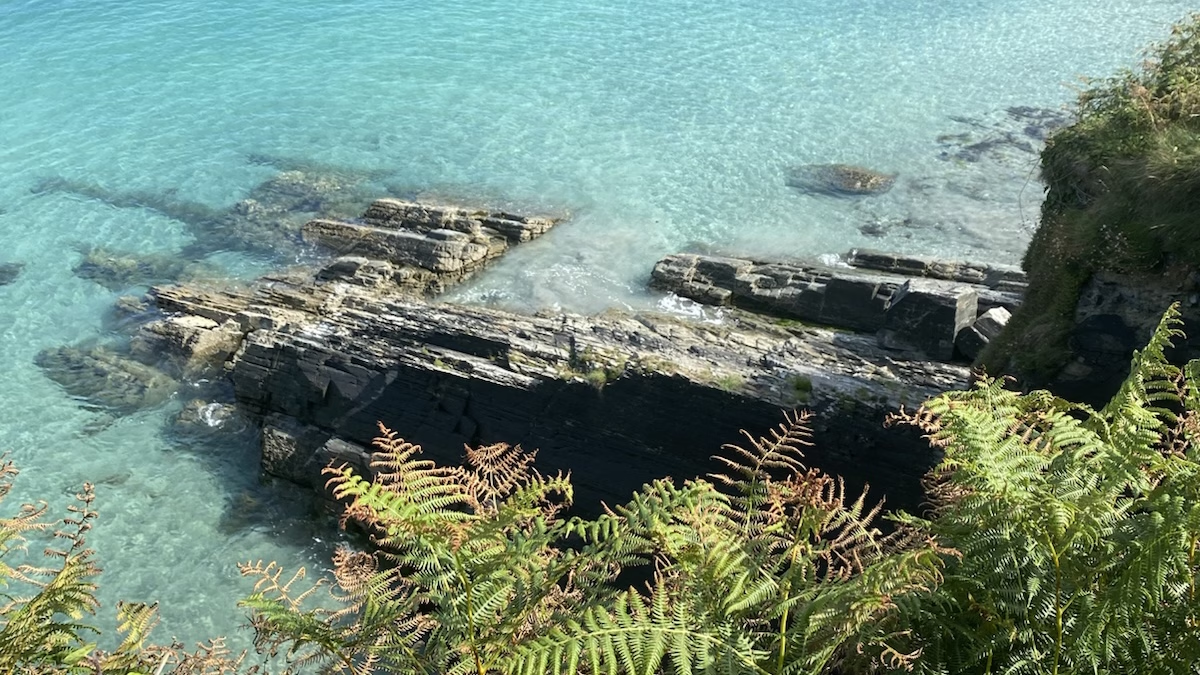
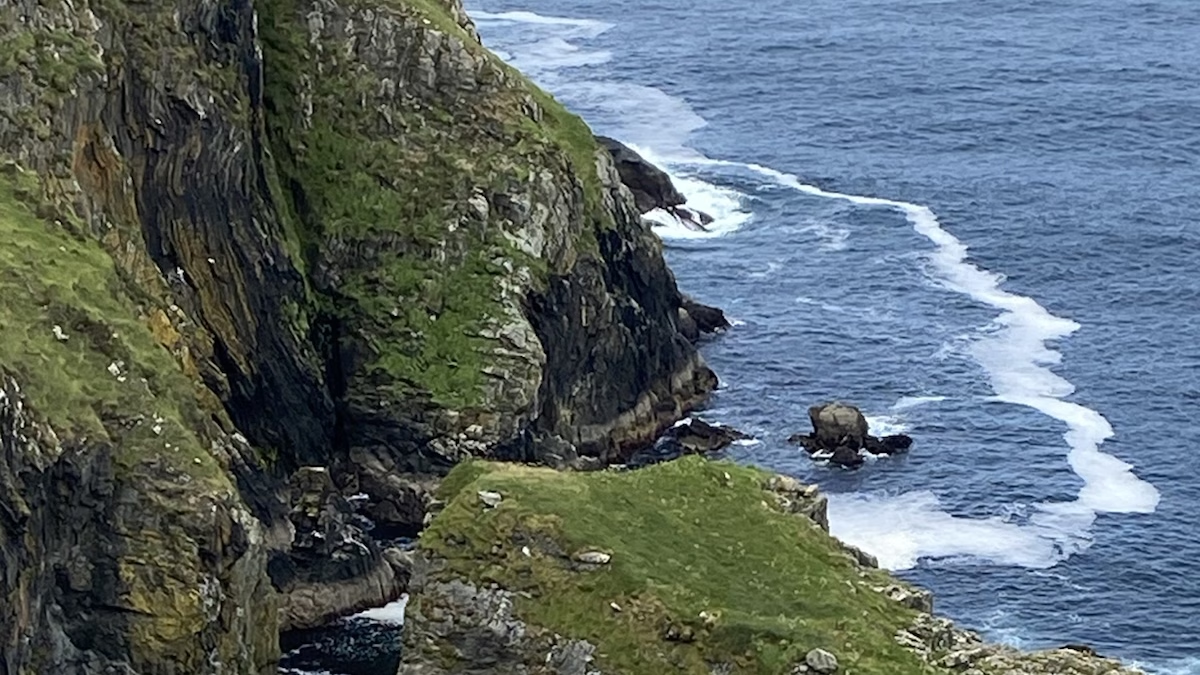
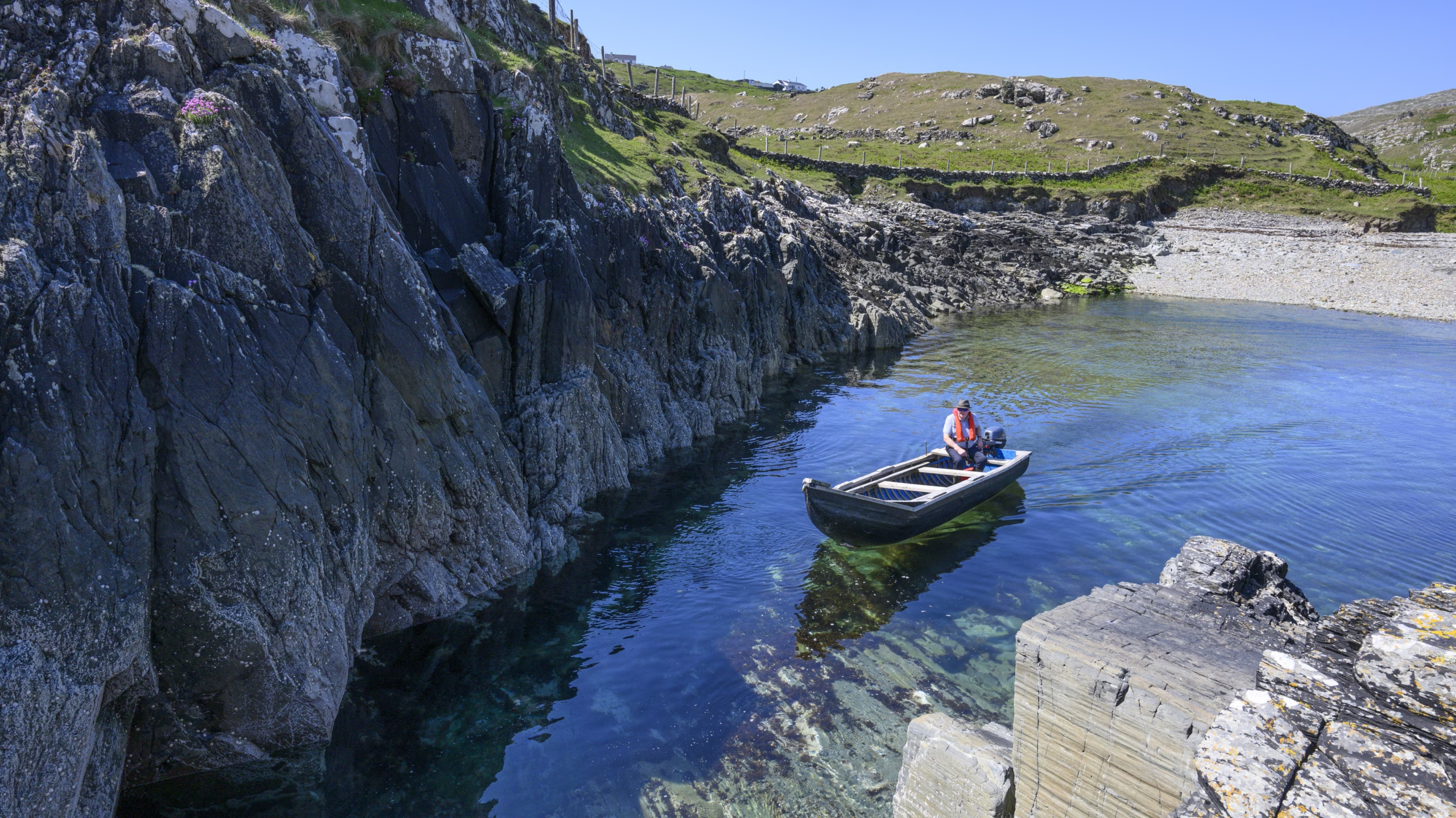
Situated 15 km off the Mayo coastline, Inishturk is a remote island of fewer than 60 residents, shaped by cliffs, heather-covered hills, and unspoiled wildflower landscapes. Its natural isolation makes it one of the few places in Ireland capable of supporting a pure, varroa-free native bee population.
Founder

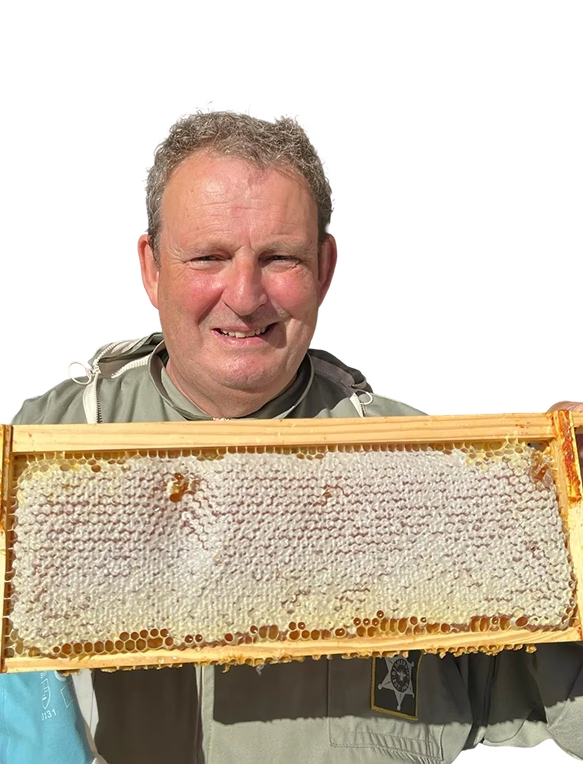
This sanctuary was founded, funded, and developed by Dr. Sean O’Connor, who has worked in close partnership with the island community to make the project a reality. His focus is long-term bee conservation, scientific monitoring, and the respectful stewardship of Inishturk’s natural environment.

The first two hives will be generously hosted by Paddy and Ann O’Toole at their home on Inishturk.

Why the Native Irish Bee Matters

The native Irish honey bee is one of Europe’s most climate-resilient pollinators. It thrives in Ireland because it has evolved to handle:


  • Long, cold Atlantic winters
  • Wind, rain, and low-temperature foraging
  • Late springs and short nectar flows
  • Diseases and harsh weather conditions
  • Low swarming, gentle temperament, and efficient food use


These traits make the native bee vital to Ireland’s ecological future—yet it is now under profound threat.

Why Inishturk is
the ideal Sanctuary?

Inishturk offers a perfect combination of:

Natural isolation

No existing hives (a clean slate)

Strict no-import policy

A supportive community who value conservation

Dedicated equipment and biosecurity

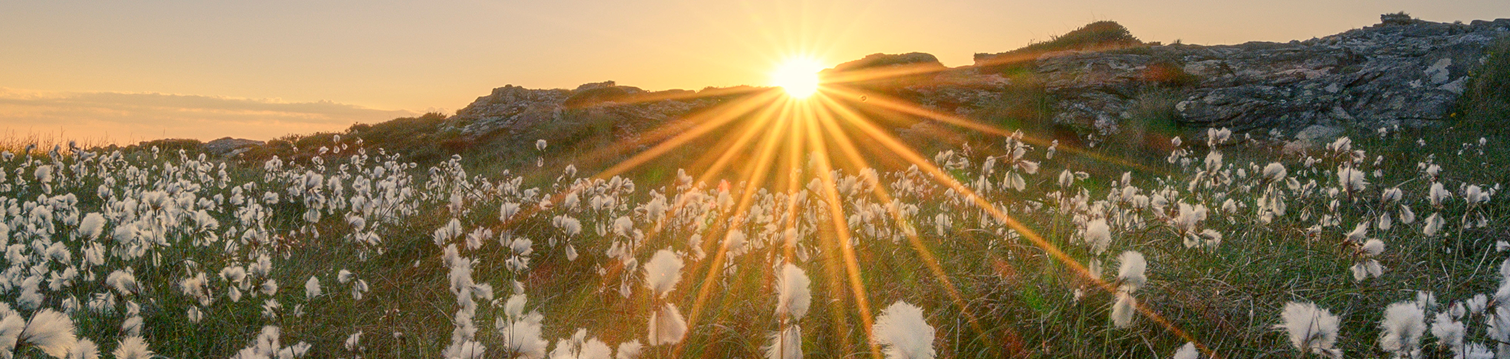
Abundant natural forage – heather, wildflowers, and coastal flora

Native Irish
Honey Bee Sanctuary

Pilot Phase

In late spring 2026:

  • Two native overwintered colonies from Connemara will be introduced.
  • They will be cared for on site at the O’Toole home.
  • Dr. O’Connor will oversee structured monitoring, biosecurity, and data collection.


This marks the beginning of a long-term, carefully controlled conservation programme.

Heritage & Culture

Bees have deep roots in Irish history:

  • Brehon Bee Laws (Bech Bretha): ancient legal codes governing honey, swarms, and hive ownership
  • Monastic beekeeping: honey for medicine and wax for manuscripts and candles
  • St. Gobnait: patron saint of beekeepers, celebrated for protecting her community with bees
  • Traditional straw skeps used for centuries before modern hives


This sanctuary continues that heritage in a modern, scientific context.

Heather Honey – Proven Irish Excellence

A Trinity College Dublin/DCU
study found that:

Irish heather honey contains exceptionally high antioxidant levels, comparable to—and in some cases exceeding—Manuka.


The sanctuary aims to eventually supply the island’s honey needs locally, reducing reliance on imports.


Read more in Trinity Research.

Follow Our Progress

A dedicated News & Updates
page will share:

We use smart hive technology to monitor the health of our bees. Live data from our sanctuary hives — and comparison hives on the mainland — can be followed at Beecounted.


  • Seasonal reports on bee health
  • Forage and flowering updates
  • Photos and videos from inspections
  • Island biodiversity observations
  • Community and educational activities

Community, Education
& Biodiversity

  • Collaboration with Inishturk’s three-pupil National School
  • Native tree planting and pollinator habitats
  • Biodiversity observation and citizen science
  • Gentle conservation-focused tourism
  • Long-term ecological resilience for the island
  • Collaboration with Inishturk’s three-pupil National School
  • Native tree planting and pollinator habitats
  • Biodiversity observation and citizen science
  • Gentle conservation-focused tourism
  • Long-term ecological resilience for the island
  • Collaboration with Inishturk’s three-pupil National School
  • Native tree planting and pollinator habitats
  • Biodiversity observation and citizen science
  • Gentle conservation-focused tourism
  • Long-term ecological resilience for the island
  • Collaboration with Inishturk’s three-pupil National School
  • Native tree planting and pollinator habitats
  • Biodiversity observation and citizen science
  • Gentle conservation-focused tourism
  • Long-term ecological resilience for the island
  • Collaboration with Inishturk’s three-pupil National School
  • Native tree planting and pollinator habitats
  • Biodiversity observation and citizen science
  • Gentle conservation-focused tourism
  • Long-term ecological resilience for the island

The Threat:
Varroa & Hybridisation

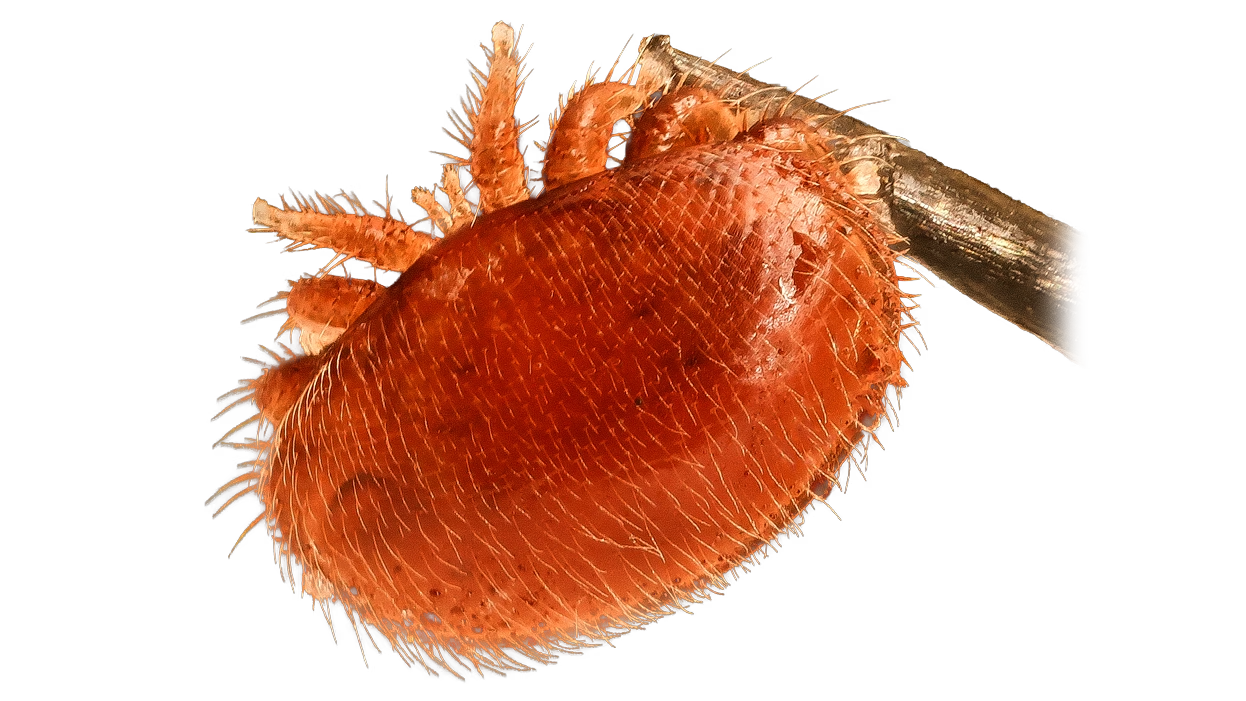
Varroa Destructor

Ireland’s native bees are
in decline due to two
major causes:

The most destructive bee parasite in the world:


  • Weakens bees by feeding on vital fat bodies
  • Spreads multiple viruses
  • Causes colony collapse within 2–3 years without treatment
  • A major driver of Ireland’s 50% bee decline since 1980

Imports & Hybridisation

Decades of importing Italian, Buckfast, and other 
non-native bees have:


  • Diluted native genetics
  • Reduced winter hardiness
  • Increased disease susceptibility
  • Disrupted the natural resilience that evolved over millennia

Together, Varroa plus imports
have erased much of Ireland’s
original bee population.

How You Can
Support?

  • You don’t need to do everything!
    Even one small action helps protect the native Irish honey bee and support the Sanctuary.

Tell Your Friends

If the Native Irish Honey Bee Sanctuary resonates with you, please spread the word — especially among people who care about biodiversity, native species, and Ireland’s natural heritage.

Share on Social Media

Follow us, like our posts, leave a comment, or share content. These simple actions help us reach new audiences and raise awareness of the native Irish honey bee.

Share Our Website

Passing on our website to friends, schools, community groups, or colleagues helps others understand the purpose of the Sanctuary and why it matters.

Visit the Island

Visiting the island, walking the landscape, and spending time observing nature supports the island community and helps keep the Sanctuary a living, active place.

Contribute Photography or Video (Especially Needed)

If you enjoy photography or video, we would be extremely grateful for help documenting the Sanctuary and its environment, including:


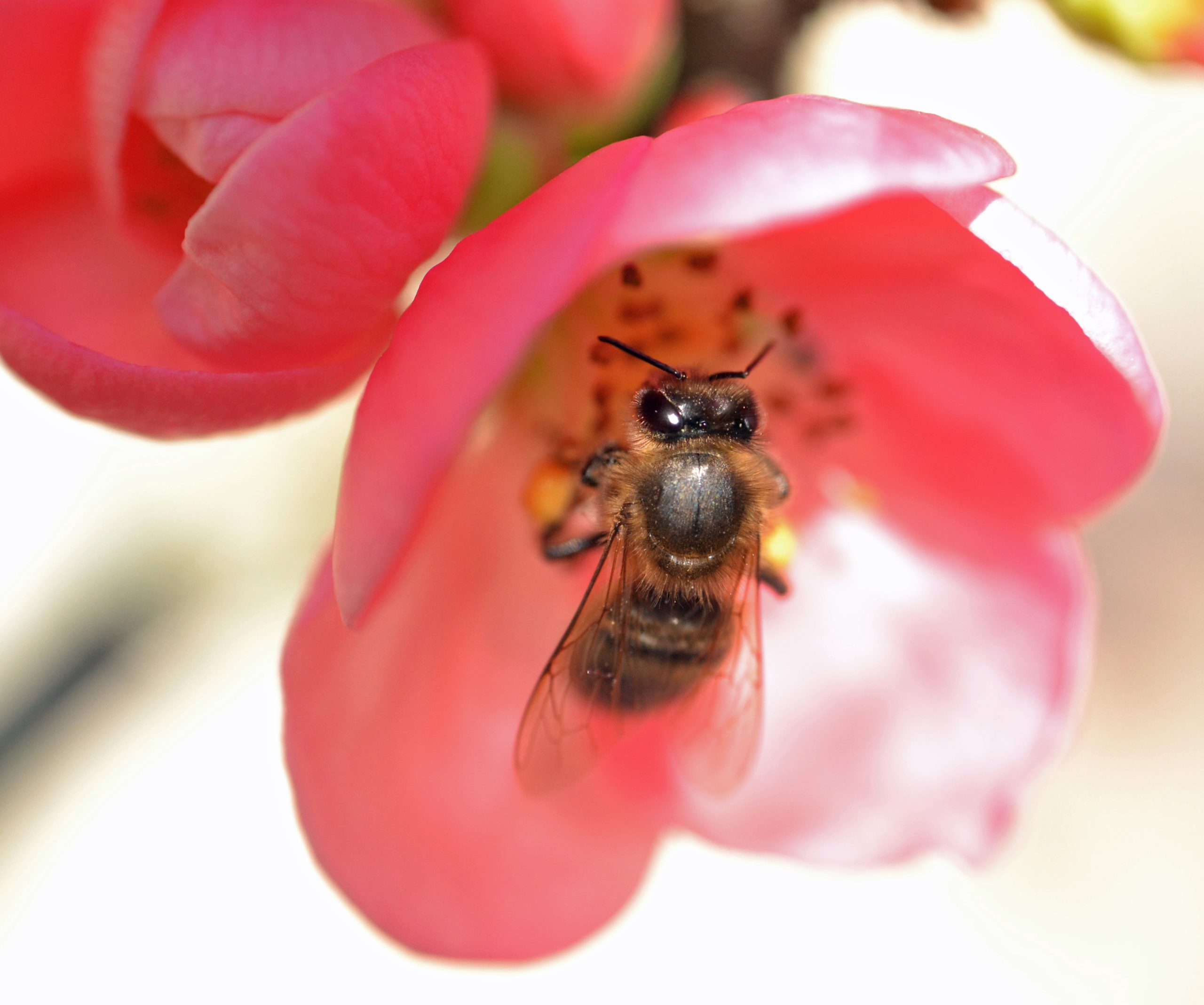
  • Native Irish honey bees on flowers
  • Wildflowers and natural forage
  • Island landscapes, habitats, sea, and skies


Phone photos and short video clips are very welcome.


With your permission, contributions may be used on our website, social media, and educational or awareness materials, with credit given where desired.


To contribute images or video, please contact info@nativeirishbeesanctuary.com.

Contact Us